
How Frye’s Sherpa Lining Actually Keeps You Warm: The Science Behind Sherpa Blanket Warmth
Sherpa feels warm the moment you pull it over your shoulders, but the reason goes deeper than just soft texture. The structure of sherpa fabric — a synthetic pile mimicking wool fleece — creates thousands of tiny air pockets that trap body heat and block cold air from reaching your skin.
At Frye, we build our sherpa-lined blankets to deliver that insulation without the bulk of traditional wool. Understanding how the material works helps you choose the right weight, care for it properly, and get the most warmth out of every throw. This guide walks through the mechanics of sherpa blanket warmth, from fiber construction to real-world performance.

Why Sherpa Traps Heat More Effectively Than Flat Fleece
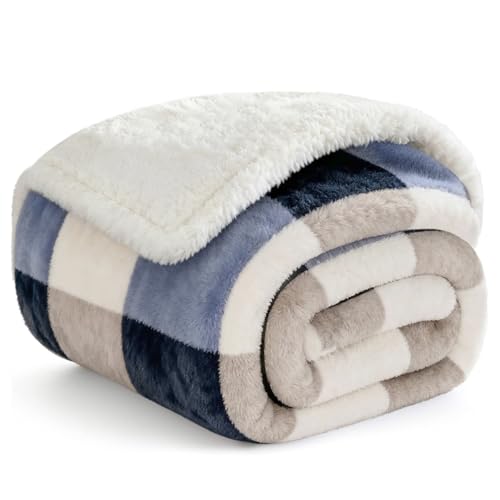
Sherpa’s warmth comes from its two-sided construction: a smooth knit base bonded to a high-pile fleece surface. The pile side — those fluffy loops you feel — stands upright and creates a three-dimensional matrix of fiber that holds still air close to your body.
Still air is one of the best natural insulators because it can’t carry heat away through convection the way moving air does. Sherpa’s pile height ranges from 10mm to 18mm depending on the blanket weight, and each millimeter of extra loft increases the volume of trapped air. That’s why a thicker sherpa throw feels noticeably warmer than a thin one, even when both use the same polyester base fiber.
Fiber Density and Warmth
The number of pile fibers per square inch also affects insulation. Higher-density sherpa feels plusher and blocks drafts more completely, while lower-density versions feel airier but allow some cold air to penetrate to the base layer. Our sherpa blanket uses a mid-to-high density pile that balances warmth with breathability, so you stay comfortable without overheating during moderate indoor temperatures.
How Polyester Pile Resists Moisture and Maintains Loft
Natural wool fleece absorbs moisture from the air and from your skin, which can make it feel damp and reduce its insulating ability over time. Sherpa, made from 100% polyester in most cases, repels water instead of absorbing it. When condensation or humidity contacts the fibers, droplets bead up on the surface rather than soaking into the pile.
This hydrophobic quality keeps the air pockets intact even in humid rooms or after light exposure to moisture. Wool can lose up to 30% of its insulation value when wet; polyester sherpa loses almost none. The synthetic fibers also dry faster, usually within an hour of air exposure, so a blanket that picks up moisture during the night returns to full loft by morning.
Loft Recovery After Compression
Polyester’s resilience also means sherpa pile bounces back after being compressed under body weight or folded for storage. Natural fibers can mat down permanently if stored under pressure, but polyester springs back to near-original height within minutes of being unfolded. That loft recovery is critical for maintaining warmth season after season.
Layering Sherpa with Other Bedding for Maximum Warmth
Sherpa works best as a top layer or an intermediate insulating layer, not as a base sheet. Placing it directly against your skin can feel too warm and trap perspiration, which reduces comfort even though the fabric itself doesn’t absorb moisture.
For cold winter nights, we recommend layering a breathable linen-blend comforter underneath sherpa to wick away moisture while the sherpa pile traps heat above. The linen base allows airflow while the sherpa acts as a windbreak and insulator, creating a microclimate that stays warm without feeling clammy.
Pairing with Flat Weaves
If you prefer a lighter setup, pair sherpa with a flat woven throw like our Chandler blanket as a base layer. The woven cotton or acrylic provides structure and breathability, while the sherpa on top delivers warmth. This combination works well for shoulder-season use when you need insulation but not the full weight of a heavy quilt.
Choosing Sherpa Weight Based on Room Temperature
Sherpa blankets come in several weights, typically ranging from 280 GSM (grams per square meter) for lightweight throws to 450 GSM or more for heavy winter versions. GSM measures the total fabric mass, including both the base knit and the pile, so a higher number means more material and more trapped air.
For rooms kept between 65°F and 70°F, a 300-350 GSM sherpa provides enough warmth for most people without causing overheating. If your bedroom drops below 60°F at night or you tend to feel cold easily, a 400+ GSM option adds meaningful extra insulation. Our full-size blankets are available in both mid-weight and heavy-weight options to match different temperature preferences.
Pile Height as a Secondary Factor
GSM tells you total mass, but pile height affects how that mass is distributed. A 350 GSM blanket with 15mm pile will feel warmer than a 350 GSM blanket with 10mm pile and a denser base, because the taller pile creates more air space. When comparing sherpa throws, check both GSM and pile height if the specifications are available.

Washing Sherpa Without Damaging the Pile
High heat and agitation are the two biggest threats to sherpa’s insulating structure. Hot water can melt or deform polyester fibers, and aggressive tumbling can mat the pile into clumps that never fully recover their loft.
Wash sherpa blankets in cold water on a gentle or delicate cycle, and skip the fabric softener — it coats fibers and reduces their ability to trap air. Fabric softener also leaves a residue that attracts dust and lint, which can make the pile feel gritty over time.
Drying for Loft Preservation
Air drying is the safest method, but it can take 12-24 hours for a full-size sherpa blanket to dry completely. If you use a dryer, choose the lowest heat setting (or air-only if your machine has it) and remove the blanket while it’s still slightly damp. Finish drying it flat on a drying rack or draped over a chair. Once fully dry, shake the blanket vigorously or fluff it by hand to restore the pile’s upright position.
Getting the Most from Sherpa’s Insulating Design
Sherpa’s warmth isn’t magic — it’s engineered fiber structure working with basic physics to trap still air and block heat loss. Understanding that structure helps you choose the right weight for your room, layer it effectively with other bedding, and wash it in ways that preserve the pile for years.
Whether you’re comparing sherpa to other materials or deciding between weights, the key factors are pile height, GSM, and how you care for the fabric after purchase. A well-maintained sherpa blanket delivers consistent insulation season after season, making it one of the most reliable synthetic options for cold-weather comfort.
Common Questions About Sherpa Insulation and Care
Warmth can decrease slightly if the pile mats down from heat exposure or harsh detergents. Cold-water washing and low-heat or air drying preserve the original loft and insulation for years.
If pile does flatten, shaking the blanket vigorously after drying and brushing it lightly with a soft-bristle brush can lift fibers back up and restore most of the warmth.
Sherpa provides similar warmth-to-weight performance as mid-grade wool fleece but outperforms both down and wool when exposed to moisture. Down loses nearly all insulating ability when wet, and wool can feel heavy and damp.
Sherpa’s synthetic fibers dry faster and maintain loft in humid conditions, making it more reliable for year-round indoor use.
Sherpa can trap too much heat if you’re a warm sleeper or if your room stays above 70°F. Layering it over a breathable base like cotton or linen helps regulate temperature by allowing some airflow.
If you wake up sweating under sherpa, try a lighter GSM version or use it only as a foot-of-bed throw rather than a full cover.
The pile side traps air and insulates, while the smooth knit base allows air to pass through more easily. Orienting the pile side toward your body maximizes warmth; flipping it so the smooth side faces you reduces heat retention.
This two-sided versatility makes sherpa adaptable to different seasons and personal preferences.
New sherpa blankets often shed loose fibers for the first few washes as manufacturing residue and cut pile ends release. Shedding decreases significantly after 2-3 washes.
Persistent shedding beyond that usually indicates low-quality fiber or excessive dryer heat causing fibers to break. Proper cold-water care minimizes long-term shedding.
Lightly matted areas often respond to brushing with a pet slicker brush or a soft-bristle garment brush. Work in small sections, brushing against the direction of the pile to lift fibers.
Severely matted sherpa that’s been exposed to high heat may not fully recover, as melted polyester loses its ability to spring back. Prevention through proper washing is more effective than repair.