
Frye Weighted Blanket Too Heavy? Here’s the Fix for Overweight Blankets
A weighted blanket that feels too heavy can turn what should be restful sleep into an uncomfortable, even claustrophobic experience. While the 10% body-weight rule provides a starting point, individual tolerance varies widely based on sleep position, room temperature, and personal preference.
At Frye, we recognize that finding the right weight isn’t always straightforward on the first try. This guide walks through practical adjustments—from layering strategies to weight reassessment—so you can restore the calming pressure without the strain.

Why Your Weighted Blanket Might Feel Heavier Than Expected
Several factors can make a weighted blanket feel heavier than its labeled weight suggests. Uneven fill distribution concentrates pressure in specific zones rather than spreading it across your body, creating localized heaviness that disrupts comfort.
Fabric type also plays a role. Dense outer shells like velvet or sherpa add surface weight beyond the fill itself, and those materials trap heat, which amplifies the sensation of heaviness when you’re already warm. Body position matters too: a 15-pound blanket that feels fine when you’re lying flat can feel oppressive when you shift to your side and the entire weight bears down on one shoulder.
Finally, sleep environment contributes. A blanket that felt perfect in winter may become unbearable once spring arrives and bedroom temperatures climb. According to Wikipedia’s overview of weighted blankets, the therapeutic pressure relies on deep touch stimulation, but excessive weight or heat can activate stress responses instead of calming them.
Immediate Adjustments to Reduce Pressure Without Replacing the Blanket
If you’re not ready to swap out your blanket entirely, several quick adjustments can reduce the sensation of heaviness. Start by folding the blanket in half lengthwise and draping it only over your torso and legs, leaving your shoulders and chest uncovered. This concentrates the calming pressure where it matters most while eliminating the weight pressing on your upper body.
Another approach is the half-bed method: position the blanket so it covers only the lower two-thirds of the mattress, allowing you to slide your upper body out from under it during the night if needed. This gives you the option to adjust coverage without fully removing the blanket.
Layering Down
can also help. If your Frye blanket came with a removable duvet cover, try using the inner weighted insert alone. The cover fabric often adds 1-2 pounds and traps additional heat, so removing it can make a noticeable difference in both weight and temperature.
When to Consider a Lighter Weight or Different Blanket Style
If adjustments don’t resolve the issue, it may be time to reassess the weight itself. The standard 10% guideline isn’t universal—some sleepers, especially side sleepers and those with joint sensitivity, find 7-8% of body weight more comfortable.
Calculate whether your current blanket exceeds that threshold. A 150-pound person using a 20-pound blanket is carrying 13% of their body weight, which often feels restrictive rather than soothing. Dropping to a 12-15 pound option can restore the deep-pressure benefit without the strain.
For those who need adjustable coverage, a wearable blanket designed to stay in place offers an alternative that distributes weight differently. If you’re comparing premium options, our guide on Frye weighted blankets as a Bearaby alternative outlines how construction differences affect both weight distribution and breathability.
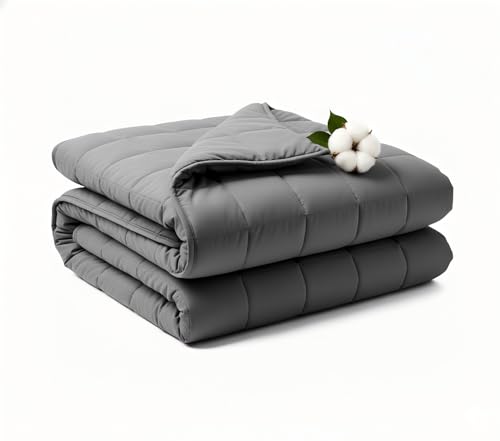
Pairing Your Weighted Blanket With Breathable Layers
Heat retention often compounds the sensation of heaviness, making a blanket feel more oppressive than it actually is. Pairing your weighted blanket with a breathable top sheet or lightweight cotton layer creates airflow between your body and the weighted fabric, reducing both temperature and perceived pressure.
Look for moisture-wicking materials like bamboo or linen for the layer closest to your skin. These fabrics pull heat away from your body and prevent the clammy feeling that develops when synthetic weighted-blanket covers trap perspiration.
Seasonal Swaps
also make a difference. If you love the weighted feel but struggle with summer heat, consider rotating to a cooling weighted option during warmer months. Frye’s line includes breathable weighted blankets designed specifically for year-round use, with fabrics that maintain pressure without insulation.
For cold-weather sleepers who want both weight and warmth, understanding how sherpa lining retains heat can help you choose a blanket that balances both needs. When decorating your bedroom around these seasonal changes, explore coordinating textiles and layering ideas through home decor resources that focus on fabric selection and comfort-driven design.
Finding Your Ideal Weighted Blanket Balance
A weighted blanket should deliver calming pressure, not discomfort or restriction. If yours feels too heavy, start with simple adjustments—folding, layering, or removing covers—before deciding whether a lighter weight is necessary.
Pay attention to how your body responds over the course of a week. Temporary adjustment is normal, but persistent pain, trapped feelings, or disrupted sleep signal a genuine mismatch. The right weighted blanket weight is the one that lets you fall asleep easily and wake refreshed, not the one that follows a formula.
Common Questions About Heavy Weighted Blankets
Most guidelines recommend 10% of your body weight, but individual tolerance varies. Side sleepers and those with shoulder or hip sensitivity often prefer 7-8%, while back sleepers may comfortably use up to 12%. Start lighter if you’re new to weighted blankets.
While generally safe for adults, an excessively heavy blanket can restrict movement during sleep, leading to stiffness or disrupted circulation. It may also trigger claustrophobia or anxiety in some users. If you wake feeling trapped or sore, the weight is too much.
Signs include difficulty shifting positions at night, waking with shoulder or hip pain, feeling pinned down rather than comforted, or dreading getting under the blanket. If you frequently kick it off mid-sleep, the weight likely exceeds your comfort threshold.
Often yes. Room temperature significantly affects perceived weight—heat makes any blanket feel heavier and more restrictive. If your blanket feels oppressive only during warm months, try using it with lighter bedding or switching to a breathable cover rather than replacing it entirely.
Technically possible if your blanket has a zippered compartment design, but not recommended. Removing fill disrupts the engineered distribution, creating uneven pressure and potentially damaging seams. It’s safer to exchange for a lighter weight or use layering strategies.
Some initial adjustment is normal, especially in the first 3-5 nights. But if the blanket still feels restrictive after a week, or if it causes pain or anxiety, it’s genuinely too heavy—your body won’t adapt to a weight that exceeds your physical tolerance.